

If you feel like “everything” in building is going up in price, you are not imagining it.
Insulation is one of the areas where the squeeze is really starting to bite. Over the last year or so, big brands across PIR boards and mineral wool have put through several rounds of increases, with some PIR ranges jumping by 10–22% in a single hit. The Sisalwool team has even heard stories of rises in the region of 15% per month…..that’s nearly 50% in three months.
For anyone pricing jobs, from a small extension to a full retrofit, that matters. A few extra percent on each board or roll quickly adds up once you multiply it across walls, roofs and floors.
PIR boards: the old default – but smart builders are looking beyond them
For years, PIR boards have been the default on many jobs simply because that is what everyone stocked and specified, even though they are petrochemical foams made in energy‑hungry factories.
Now, with repeated price hikes and ongoing volatility, more architects, builders and homeowners are asking whether that old default still makes sense and are switching to sustainable alternatives like natural fibre insulation and now there is very little between them on price...
What has been happening to PIR prices?
Recent industry updates and merchant data show PIR as one of the worst‑hit materials, with:
- Across‑the‑board 7.5–10% rises in 2025.
- Further 2026 increases of around 10–22% from major PIR brands, sometimes with extra surcharges on top.
Because PIR is a foam that relies on global petrochemicals, high energy use and long supply chains, it tends to jump whenever energy, chemicals or freight costs rise…magnified by current political issues in the middle east.
It is not only PIR – most insulation is nudging up
Mineral wool is also getting more expensive. 2026 notices from major manufacturers show glass and rock wool products rising by roughly 4–9%, depending on the range.
If you are pricing work, that means a double squeeze: PIR taking the biggest leap, and other “standard” insulations quietly edging up too. By the time those increases hit the quote, they can easily push a project over budget or force awkward conversations with clients.
Where natural fibre fits in
This is where natural fibre insulation starts to look very interesting…..
Products like Sisalwool are made from natural, renewable fibres rather than complex petrochemical foams. They still go through a manufacturing process, of course, but they are not tied so tightly to the same global chemical and energy markets that are driving PIR price hikes.
Sisalwool has been designed to do the job properly: good thermal performance, breathable build‑ups that help manage moisture, and a much nicer story on embodied carbon and indoor air quality.
For homeowners, that means a more comfortable, healthier home. For architects and builders, it helps when you are trying to design details that work and still meet tightening sustainability expectations.
“Premium” is now closer in price than you would think
For years, many people have filed natural fibre insulation under “nice idea, but too expensive”. That gap is shrinking fast. With PIR rising 10–22% at some brands and mineral wool also pointing upwards, the difference in material cost between ‘standard’ boards and a premium natural product is now much smaller than it used to along side all the other benifits' like easy to handle and faster easier to fit.
Sisalwool is a premium, market‑leading natural fibre insulation and that is still true. The difference today is that it is often more affordable than people expect. If you are pricing a project and find that Sisalwool is in the same ballpark as PIR or high‑end mineral wool, it is worth asking a simple question:
If the cost is similar, why not choose the greener, healthier, higher‑performing option?
You get:
- A natural, low‑toxicity product in your walls and roof.
- Strong thermal performance and breathable constructions.
- Less exposure to the global petrochemical rollercoaster.
For many projects in 2026, from a loft conversion in a Victorian terrace to a new‑build passive house, that is starting to look like the sensible choice, not just the “eco” one.
CONTACT OUR TEAM FOR AN INFORMAL CHAT ABOUT YOUR NEXT PROJECT
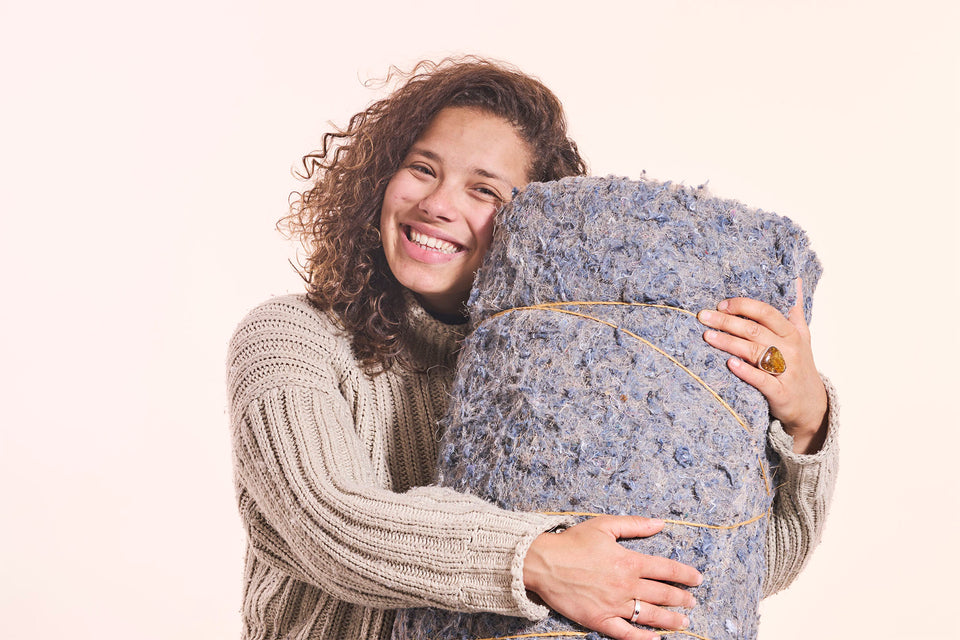
the sisalwool collection


