

Introduction:
Home insulation plays a pivotal role in maintaining comfortable indoor temperatures while reducing energy consumption. Embracing sustainability in insulation not only benefits the environment but also contributes to long-term energy savings. In this guide, we’ll explore a step-by-step process for homeowners to improve insulation using sustainable materials, spotlighting the eco-friendly wonders of Sisalwool. Discover how to select the right materials, master installation techniques, and reap the numerous benefits of creating an energy-efficient home.
Choosing Sustainable Materials:
Selecting the right insulation material is key to a sustainable home upgrade. Sisalwool, derived from natural sisal fibres, stands out as an eco-friendly option. It’s renewable, biodegradable, and boasts impressive insulation properties. Consider factors like R-value (thermal resistance), fire resistance, and environmental impact when choosing insulation materials.
Step-by-Step Installation Guide:
* Assessment: Begin by assessing your home’s insulation needs. Identify areas that require improvement, such as attics, walls, and crawl spaces.
* Preparation: Gather the necessary tools and safety equipment. Ensure proper ventilation and take precautions when handling insulation materials.
* Measurement and Cutting: Measure the space accurately and cut the Sisalwool insulation to fit. Remember to leave room for adequate air circulation.
* Installation Techniques: Apply the insulation in the designated areas, ensuring a snug fit without compressing the material.
* Sealing Air Leaks: Seal any gaps or cracks in walls, windows, and doors to prevent air leakage, maximising the effectiveness of the insulation.
Benefits of Sustainable Insulation:
Implementing sustainable insulation projects offers a multitude of benefits:
* Energy Efficiency: Sisalwool insulation helps regulate indoor temperatures, reducing the need for excessive heating or cooling.
* Cost Savings: Improved insulation leads to lower energy bills over time, providing a return on the initial investment.
* Environmental Impact: Choosing sustainable materials like Sisalwool minimises environmental footprint by utilising renewable resources and reducing waste.
* Enhanced Comfort: Consistent temperatures and reduced drafts contribute to a more comfortable living environment.
Conclusion:
DIY sustainable insulation projects empower homeowners to make a meaningful impact on both their homes and the environment. By choosing materials like Sisalwool and following proper installation techniques, homeowners can enhance comfort, reduce energy consumption and contribute to a more sustainable future. Embrace the journey of transforming your home into an energy-efficient sanctuary while advocating for eco-friendly practises through sustainable insulation initiatives.
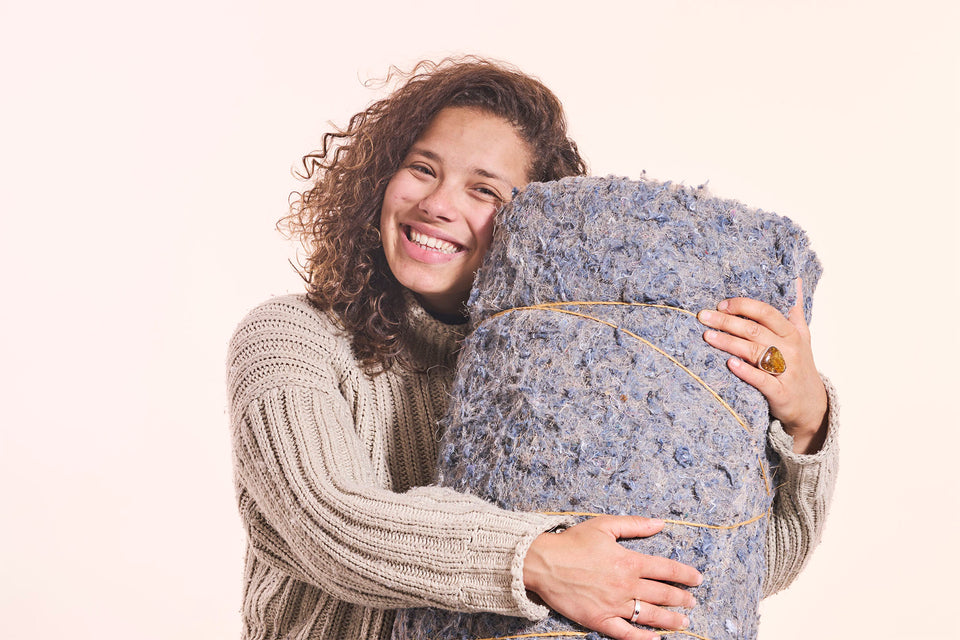
the sisalwool collection


